

October Club of the Month: Plymouth Outlaws
1 October 2026
All photos courtesy of the Plymouth Outlaws
BaseballSoftballUK is highlighting some of the most successful clubs and leagues across Great Britain, sharing their knowledge and wisdom in the hopes that it can help others! For more information, or to have your organisation considered, please contact David here.
The Club of the Month for October 2026 is the Plymouth Outlaws! Club and Coach Officer David Turner spoke with Chairman Jack Parsons. (The interview has been edited for clarity and brevity)
DT: Jack, tell us a little bit about the Outlaws and how the last 12 months have been going.
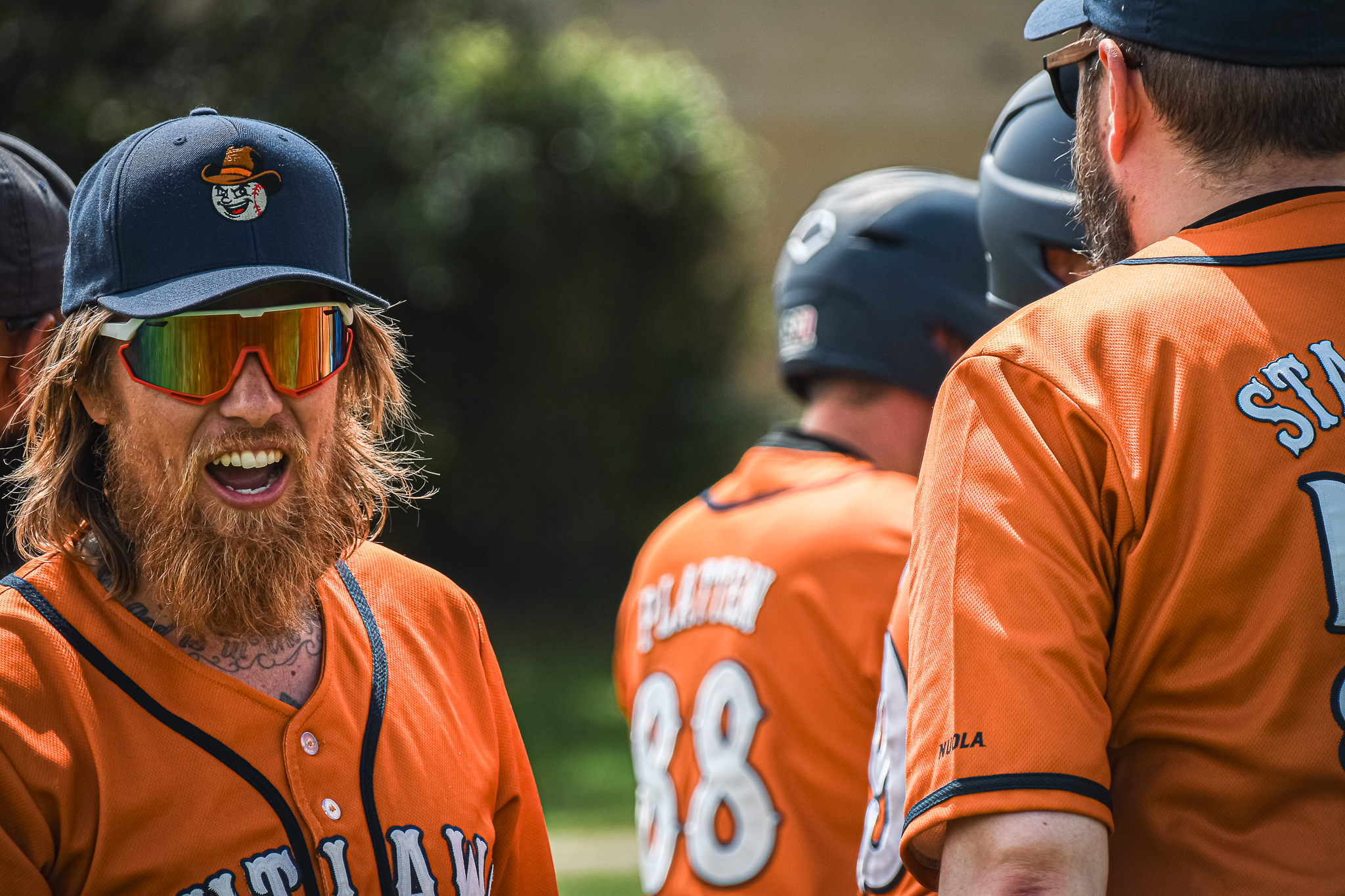
JP: The Outlaws were formed in April 2025 by a small group of us. Baseball has been played in Plymouth since the Second World War, so there is plenty of history with the sport here. We’re not the only club in Plymouth either, but we felt there was room for more baseball and an opportunity to introduce more people to the sport while building a community around it. I don’t want to sound too cheesy, but that community side was important to the people who founded the club. I’m in my early 30s and I’ve worked remotely since the COVID pandemic. It’s very easy for people to become socially isolated. A lot of people’s lives changed during that period and we’ve all just carried on as best we can. Sport is a really good way to bring people together, get people out of the house and give them something to look forward to.
That was a big motivation for us. It wasn’t about building an NBL-level team and trying to win everything. Obviously winning is more fun than losing, but that isn’t the be-all and end-all of what we’re doing. Our main measure of success was always how many people we could introduce to baseball. Social media has played a big part in that. For better or worse, it’s here to stay, and it gives people the chance to discover things they didn’t even know existed. We still get people turning up to their first session saying, “I had no idea people played baseball in Britain.” Then you tell them there are two clubs in Plymouth alone, and within a relatively short drive you’ve got teams in Exeter, Cornwall, the New Forest and plenty of other places. There’s a real baseball community down here.
The last 12 months have been massive for us. We never expected to have two adult teams playing league baseball this year. Our Division 5 development team had 26 players represent it and 21 of those had never played a competitive baseball game before this season. It’s been a huge learning curve, and rapid growth comes with its own challenges, but seeing people develop a genuine love for the game has been brilliant. I think what we’ve achieved has shown that baseball has a really bright future in the UK, particularly here in the South West.
DT: You mentioned the social side. Has mental health been part of the motivation as well?
JP: Absolutely. We’ve had a number of players speak to me, both privately and openly, about how much being part of the club has helped their mental and physical health. A lot of them are in similar situations to me. They work from home, or they’ve got young families, and life can very easily become work, home, work, home. You don’t necessarily get much time for yourself or many opportunities to meet new people. Baseball has given people an outlet from that, and I think that has become one of the biggest reasons people stay involved.
DT: What have been some of the biggest wins for the club so far?
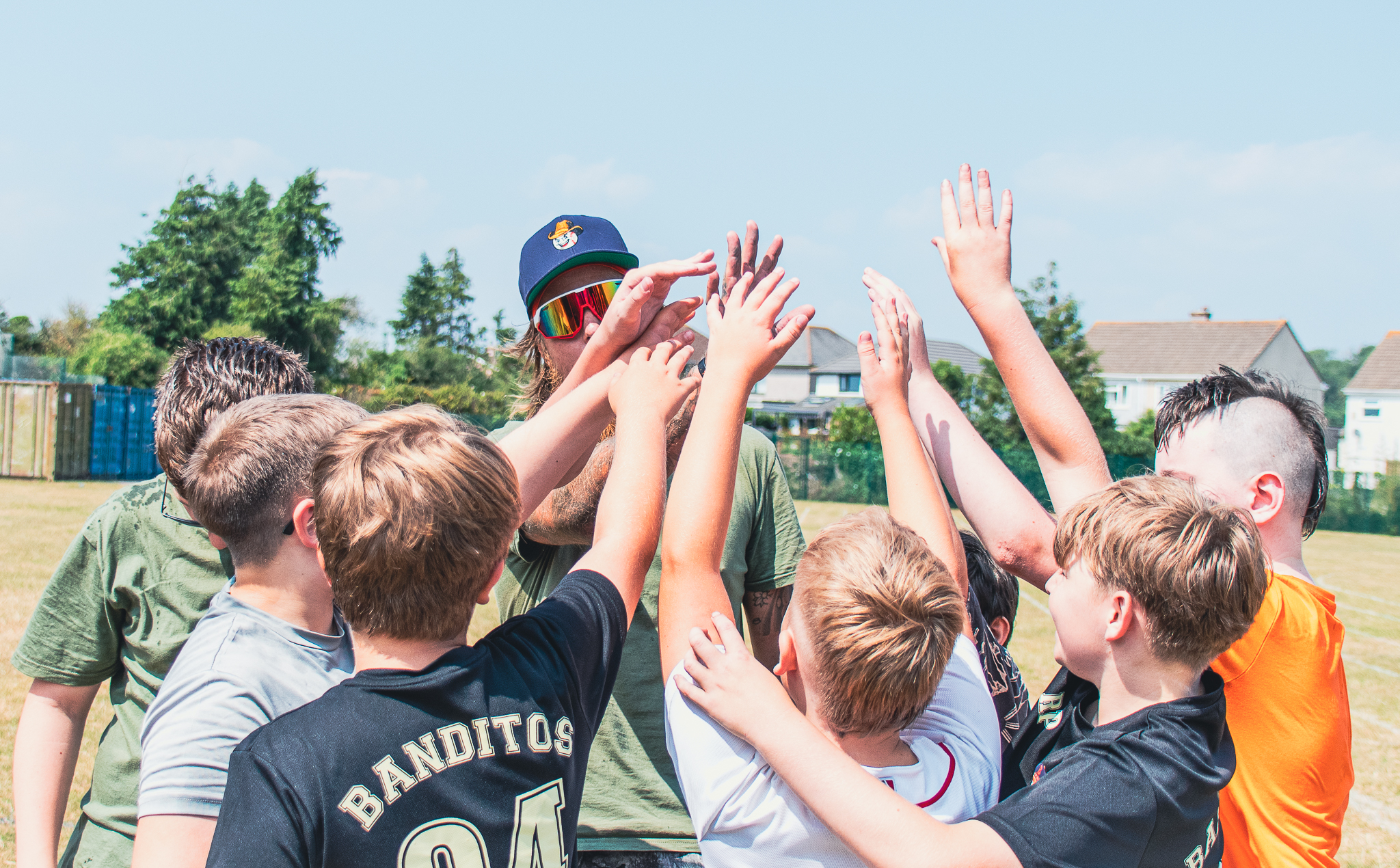
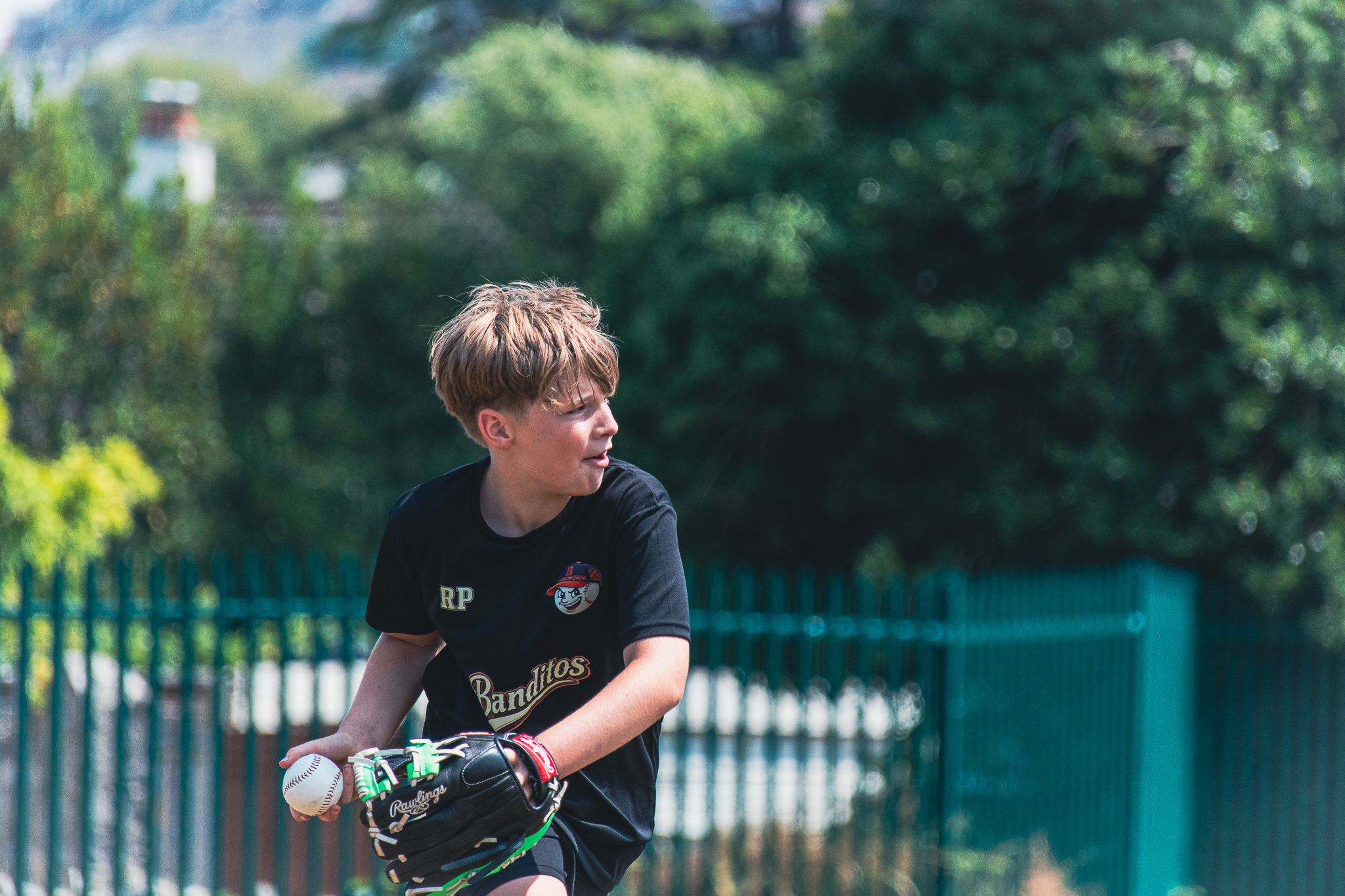
JP: The biggest one is simply the number of people who are now playing baseball who had never played before. We’ve also launched our youth programme, the Banditos. Everything we do has this Wild West theme, so naturally the kids needed a name that fitted. The Banditos are still very new, but the progress has been incredible. Kids absorb information so quickly. Sometimes you spend weeks trying to teach an adult one particular throwing mechanic and then a 12-year-old picks it up almost immediately. Some of them are already throwing as hard as players who have been with the senior teams for much longer. It’s really exciting to see.
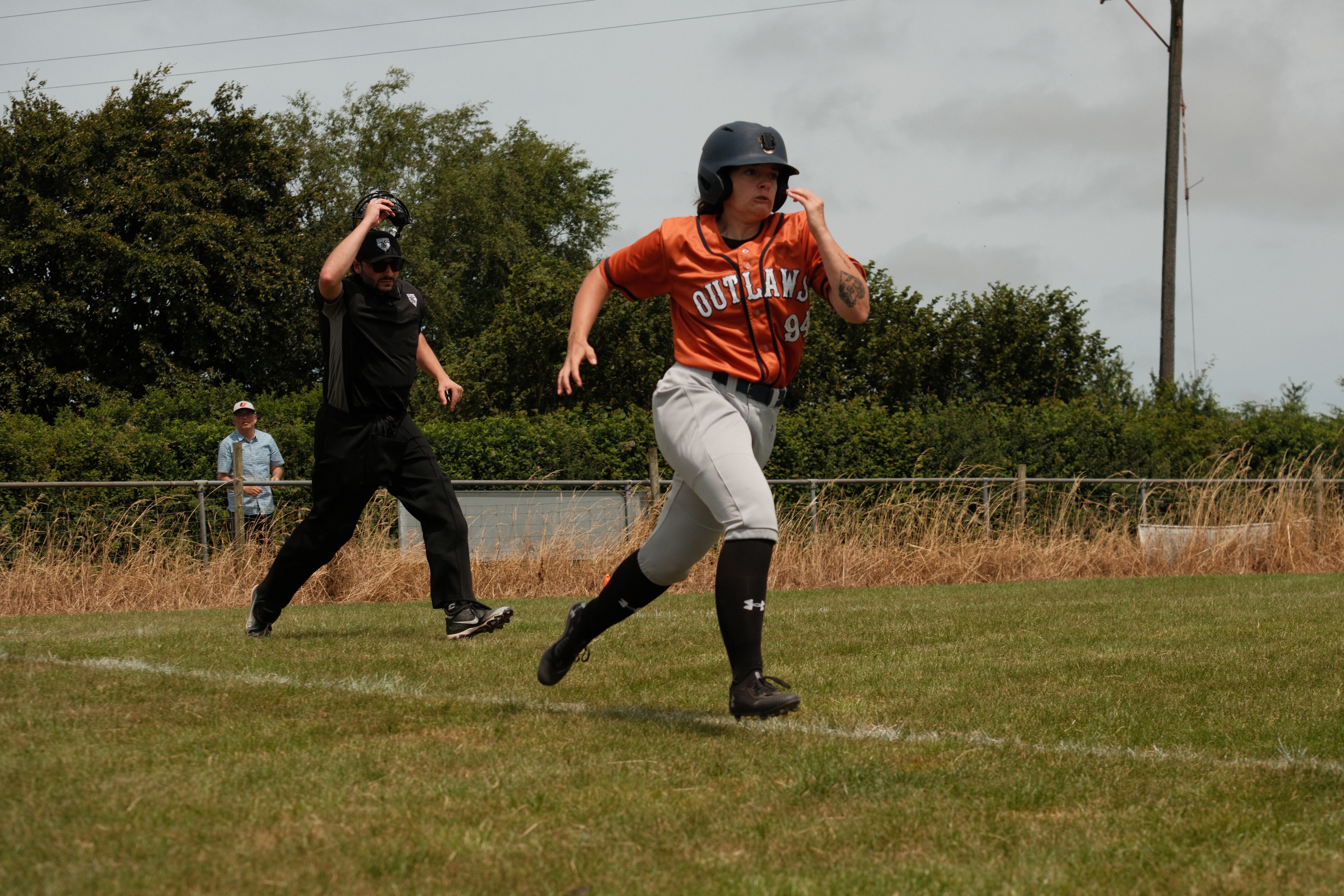
I don’t want to make everything about results, because that isn’t what the club is built around, but we’ve had some good success on the field as well. Our Division 4 team reached the national final this season, which was a huge achievement for such a young club. Across the season, 45 different players represented the Outlaws. The vast majority of them either hadn’t played baseball before joining us or barely knew the sport existed here. That’s probably what I’m proudest of.
DT: You’ve clearly attracted a lot of people without previous baseball experience. What advice would you give clubs trying to do the same?
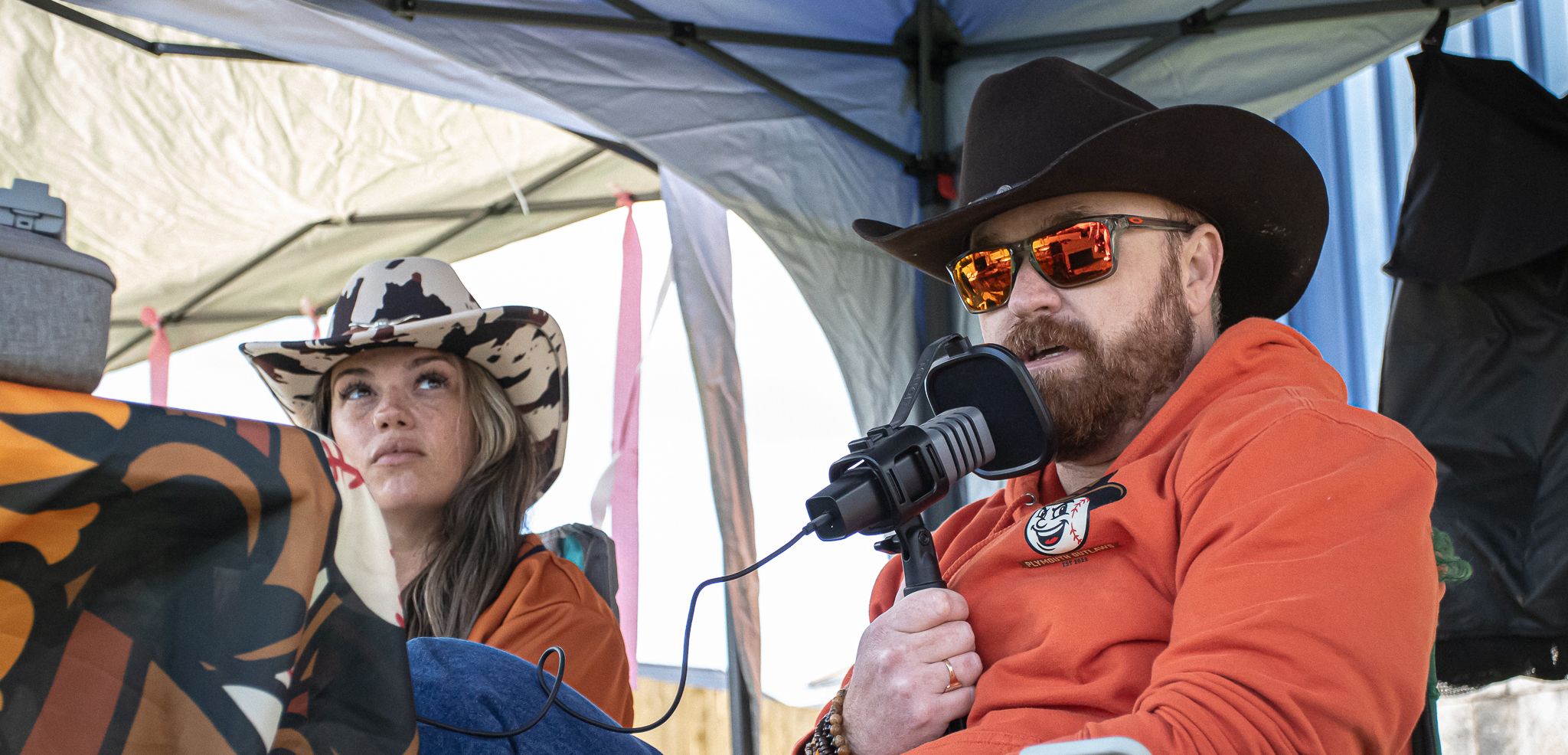
JP: Show people who actually play for your club. That sounds obvious, but I think it’s probably the biggest piece of advice I could give. If you want older players, show your older players. If you want more women involved, show the women already playing for you. If you want complete beginners, don’t make every video look like everyone at the club has been playing baseball for 15 years. You can write “everyone welcome” on a poster, but if everything else you put out only shows your best team, your youngest players and your most athletic players, people are still going to assume the club isn’t for them.
We’ve had people turn up who, to put it politely, weren’t very good at baseball when they started. I wasn’t either. I’d never really played a throwing sport and couldn’t throw properly when I started. Baseball can be difficult physically. Throwing, hitting and catching are all quite unnatural movements if you haven’t grown up doing them. It takes time. But we’ve also seen people improve incredibly quickly.
The same applies to women’s recruitment. We’ve built a strong group of women playing at the club and we make sure people see that. We do the same with the Banditos. People need to see somebody they can identify with. If you’re 50 and haven’t played sport in 20 years, seeing a 19-year-old throwing 80mph probably isn’t going to convince you to come down. Seeing somebody your age having a go might.
We’ve also tried to let the players speak for themselves. We put people in front of the camera and ask them about their experience. And we don’t take ourselves too seriously. One of our biggest videos was basically a radar-gun challenge with some of our newer players. The throwing speeds weren’t exactly Major League Baseball standard and plenty of Americans in the comments were happy to point that out. But hundreds of thousands of people watched it. That’s fine. At the level most British clubs are playing, baseball can be messy. There are errors. People drop catches. People swing at terrible pitches. We leave that stuff in.
If everything you show is perfect, somebody watching who has never played before is going to think they need to be an elite athlete before they can even turn up. We want them to see that you’re allowed to be bad at baseball while you’re learning how to play baseball.
DT: Social media has obviously been a big part of the club’s growth. What has worked for you?
JP: Showing what baseball actually looks like.
Sometimes that means a sunny game day in summer. Sometimes it’s January and we’re crammed into an indoor sports hall throwing baseballs around. We’re fortunate that there are talented people at the club who can make the graphics look good and put together decent videos, but the actual ideas behind most of our content are incredibly basic. A lot of it is simply putting somebody in front of a camera and asking, “What has your experience been like?” Then we post the answer.
People can be camera shy at first, but once one or two people do it and get a good response, suddenly everyone else is more willing to have a go. We do simple things like “What’s in my baseball bag?” videos as well. I watch that sort of stuff myself. You see somebody using a glove and wonder what it is, or what bat they use. It also helps show that you don’t need to spend hundreds of pounds to play baseball. Yes, some people have expensive gloves, but plenty of our players have a £50 glove and use one of the club bats. You don’t need loads of equipment.
The other thing I’d say is just post. Not everything has to be perfect. You see clubs saying they’re desperate for new players, but then you look at their social media and the only thing they’ve posted for three months is the score from Sunday’s game. The people who care about that score probably already know who you are. If you want to reach new people, you need to give them something that tells them what being part of your club is actually like.
DT: So clubs shouldn’t worry too much about everything looking professional?
JP: Exactly.
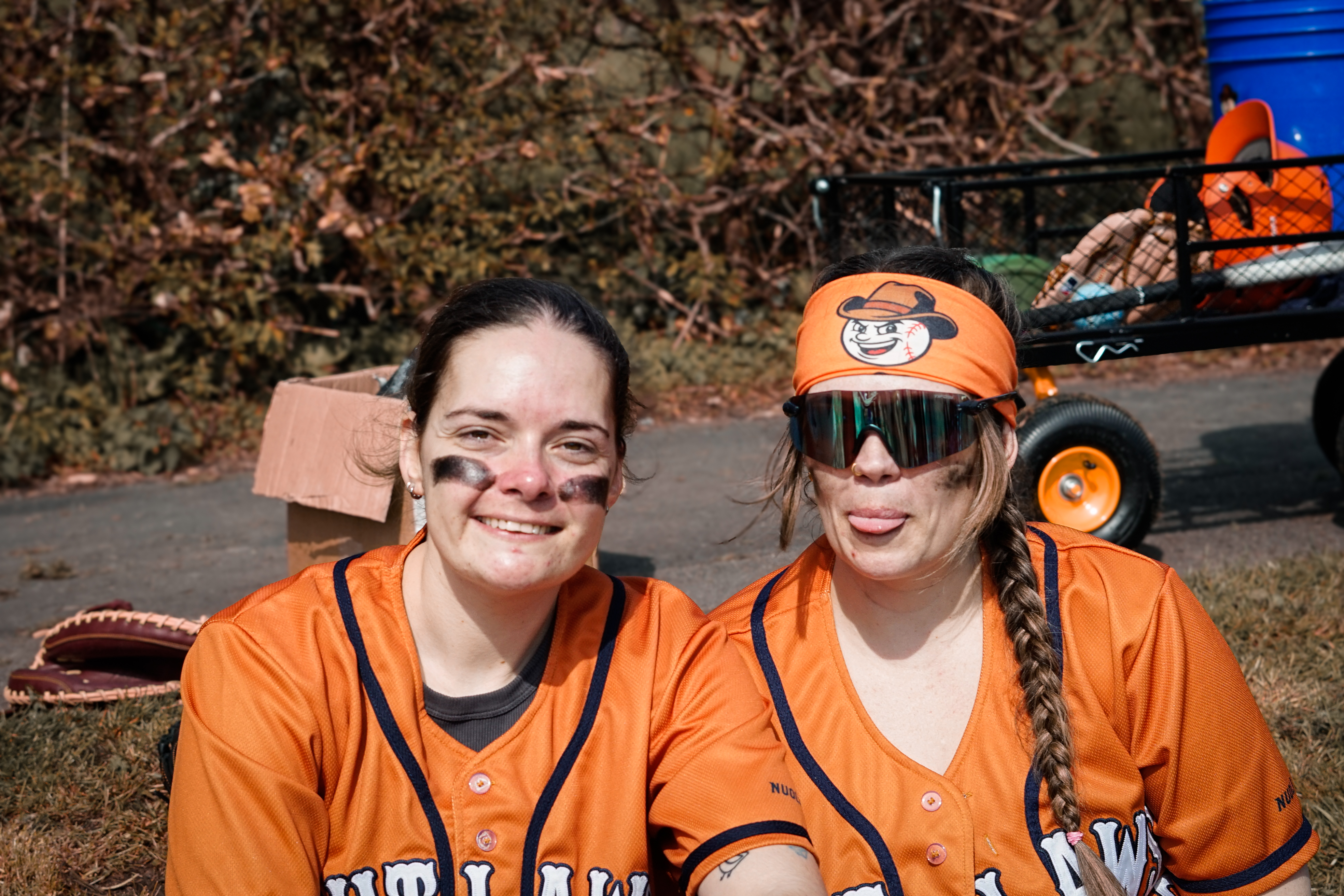
If you’re waiting until you get to play at Farnham Park before you take any photos or videos because you want a perfect baseball backdrop, you’re going to be waiting a long time. We play on a school field, like loads of British baseball clubs. That’s completely fine.
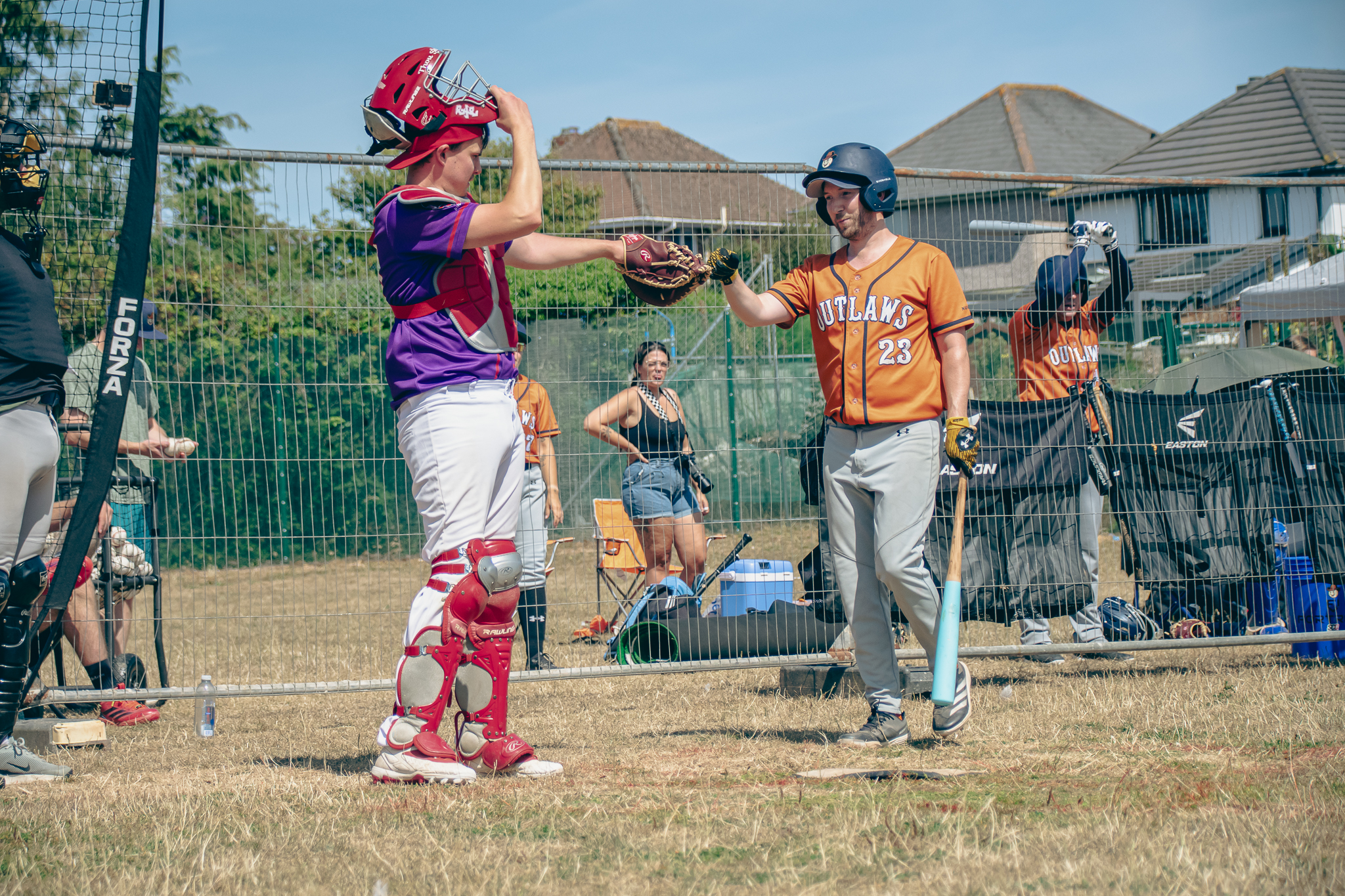
I don’t think someone considering joining really cares whether your facility is immaculate, whether all your batting helmets match or whether your logo looks like it came from an MLB design agency. They want somewhere they feel comfortable and somewhere they can be part of something. One thing we say quite often is that the more you put into the club, the more you can get out of it. If you want to become a better player, come to training regularly, listen to the coaches and practise. If you want the social side, come to the socials and get involved. If you want to volunteer and help shape the club, there are opportunities to do that as well. You can put a lot into it or a little. Both are fine.
Being a new club gave us the chance to establish that culture right at the beginning.
DT: Where did the Outlaws name and Wild West branding come from?
JP: There’s already another baseball club in Plymouth, the Mariners, who have been around for about 20 years. I’ve played there myself and they’ve got a strong identity that makes complete sense for Plymouth because it’s such a naval city. So we knew we wanted to do something completely different.
Honestly, I think cowboys were just quite popular at the time. We’d all watched Yellowstone and somehow the idea developed from there. We’re in the South West, so there was a slightly questionable “Wild South West” connection as well. It wasn’t much deeper than that.
Since then we’ve had a lot of fun with it. Cowboy hats appear regularly and we’ve leaned into the theme. By complete coincidence, a Wild West-themed bar called Montana Saloon later opened on Plymouth’s waterfront, so obviously we got in touch. It has effectively become our local.
They sponsor the club, we hold socials there, our members get a discount and there’s a big Outlaws poster inside. It’s worked really well for both sides.
DT: It sounds like those local partnerships have been important as well.
JP: Definitely.
Sponsorship is obviously useful financially, but the best partnerships can do much more than just put somebody’s logo on a shirt.
One of our sponsors works in trading cards and collectibles. They ran a large event at one of the leisure centres in Plymouth and asked if we wanted to do something there. So we brought along a radar gun and ran a pitching challenge where members of the public could see how hard they could throw. It was simple, but people loved it. More importantly, some of the people who met us there later came to baseball and joined the club.
That’s the type of partnership we really like. The sponsor gets something interesting at their event, we get exposure to an audience we probably wouldn’t otherwise reach and hopefully everyone benefits. For small sports clubs, those relationships can be worth much more than the sponsorship fee itself.
DT: You’ve also had some big numbers through social media.
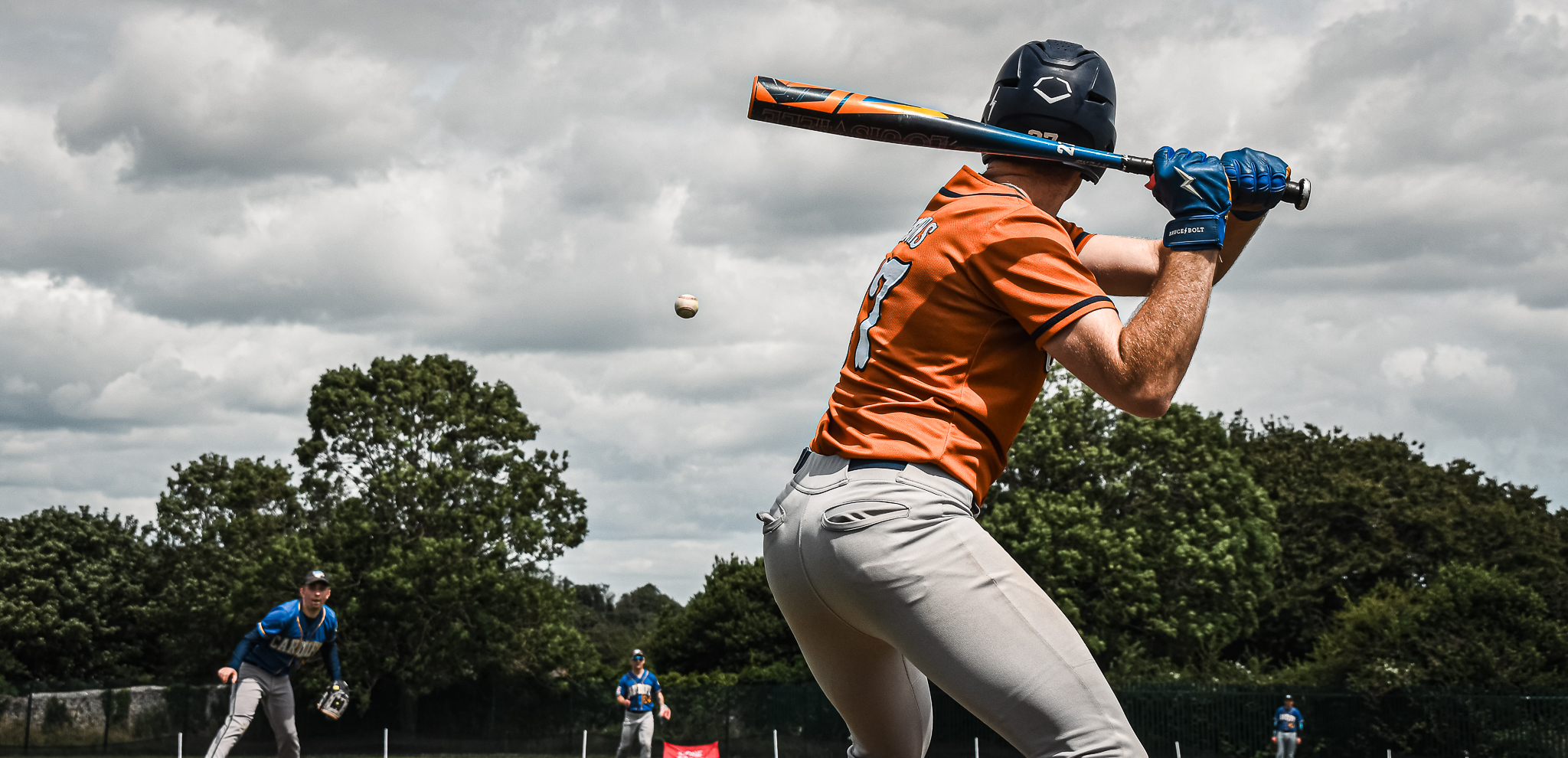
JP: We’ve been really fortunate with that. Since the club launched in April 2025, our content has had more than five million views across Instagram, Facebook and TikTok. For a new amateur baseball club in Plymouth, that’s pretty significant.
It also gives you something tangible when you talk to sponsors. Instead of just saying, “Would you like to sponsor our baseball team?”, you can show them that you’ve built an audience and that people locally are engaging with what you’re doing. That has definitely helped us open doors.
DT: What is the coaching situation at the club, and how do you see that developing?
JP: Coaching has probably been one of our biggest challenges.
We’ve had a huge number of complete beginners come through the door alongside a much smaller number of experienced players. That means those experienced players have had to take on a lot of responsibility. In some ways it has become a cycle. Experienced players teach the newer players, then after a few months those newer players know enough to help the next person who walks through the door. That has actually worked really well.
If somebody has only been playing for three months but has developed decent throwing mechanics, they can still help somebody on their first night. Sometimes that’s actually less intimidating for the new player than immediately being paired with somebody who has played for 20 years. We did have to throw people in at the deep end at times, particularly during preseason. Ultimately, playing games is one of the fastest ways to learn.
We’re also fortunate with our Head Coach. He played youth baseball and was involved in the GB programme when he was younger before spending a long time away from the sport. He’s come back to baseball and has really driven the coaching side of the club.
This season a lot of the focus was simply getting people to a basic level where they could throw, catch, hit and understand what was happening in a game. Now the challenge changes.Probably 60 to 70 per cent of the club has those basic skills. They understand things like tagging up or running on a dropped third strike. The next step is turning beginners into better baseball players. There is currently quite a big gap between our two senior teams. Our Division 5 team finished at the bottom of its division, while our Division 4 team finished top of theirs and reached the national final.
We need to bridge that gap.
We don’t want somebody to join as a beginner and feel like they are permanently stuck at that level. Long term, I’d love the club to have teams at different levels so that everyone has somewhere appropriate to play, but there is also a clear pathway for people to move up as they improve. Coaching is going to be a huge part of making that happen.
DT: Looking ahead, what excites you most about the next 12 months?
JP: Loads of things.
On the adult side, I’d like us to continue building the foundations for another team. The more playing opportunities we can create, the easier it becomes to put people at the right competitive level.
But the thing I’m probably most excited about is the Banditos.
There are several clubs around the South West doing good work with youth baseball, and we’d really like to see more opportunities for those teams to actually play against each other. I hesitate to call it a league at this stage, but some kind of more formal structure would be fantastic. Youth baseball also becomes another part of the club’s development pathway.
Historically, Plymouth has had periods where youth baseball existed but there wasn’t necessarily an obvious adult pathway afterwards. Players reached a certain age and there was nowhere for them to go.
We want to make sure that doesn’t happen.
Some Banditos might eventually move into a development team and work their way through the levels. Others might be good enough to skip some of those steps entirely. The important thing is that the pathway exists.
The other big focus is sustainability.
I don’t want the Plymouth Outlaws to be a club that relies on one or two people doing absolutely everything. We’re all volunteers. People move away, change jobs, have children, lose interest or simply need a break. If one person leaving means the club falls apart, then you haven’t really built a sustainable club.
I want more of this year’s rookies to start helping the next group of rookies. I want more people taking responsibility for different parts of the club and shaping what comes next. And ultimately I want us to keep introducing new people to baseball. This year more than 20 people played their first competitive baseball game through our development team.
If next year we can say another 20 or 30 people played their first game because of the Outlaws, I’d be delighted.
DT: Finally, if you could give one piece of advice to clubs around the country, what would it be?
JP: Get your phone out at your next training session. Find one of your players and ask them: “Why should somebody like you come and join this club?” Same age, same gender, same background, whatever it might be.
Then let them answer.
You don’t need an expensive camera. You don’t need to be a graphic designer. You don’t need incredible editing skills. You just need a decent phone, which most people already have. Show the human side of your club.
Even if you think the video is boring, somebody else might watch it and think, “That person seems like me. Maybe I could do this.” If one person sees it and joins your club, it has already worked. Your players all have friends, and those friends have friends.
That’s your network.
Let your members do the recruiting for you.






.png)